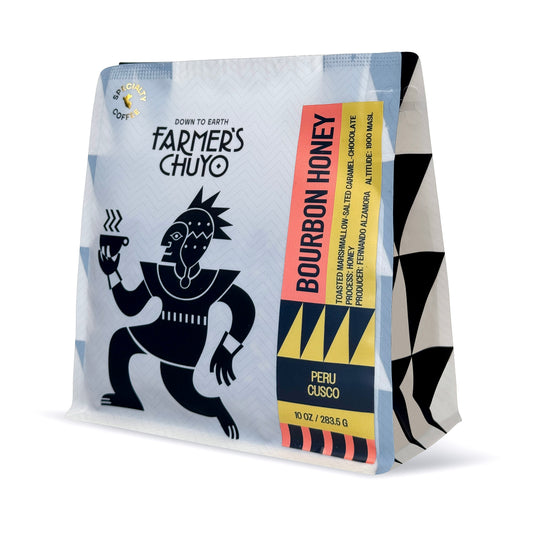
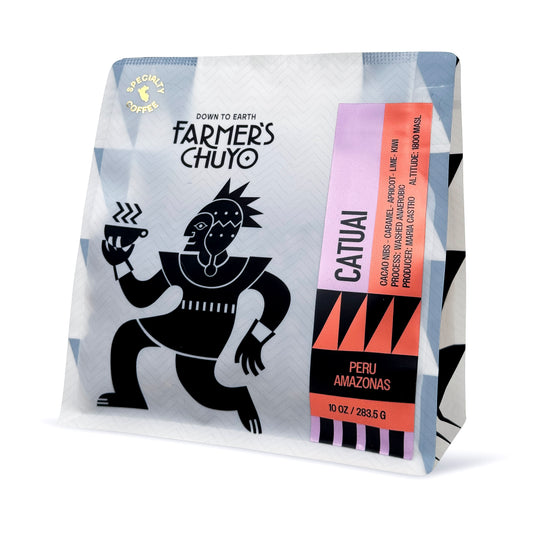
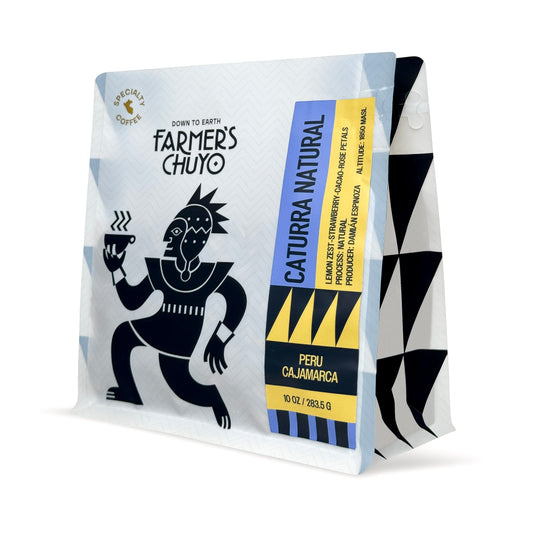
Brewing coffee is more than pouring hot water over grounds, it’s about extracting the flavors the bean has developed from origin to roast. A consistent ratio, grind, and pouring technique allows you to experience a coffee’s full profile.
The coffee-to-water ratio is the foundation of any cup. A common starting point is 1:16, one part coffee to sixteen parts water, for example 20 g of coffee to 320 g of water. Adjusting the ratio affects body and strength, 1:15 creates a fuller, heavier cup, while 1:17 results in a lighter, more delicate brew. The ideal ratio depends on the coffee and your taste preferences, but starting with balance ensures clarity and highlights the origin.
Pour-over brewing emphasizes control and even extraction. Grind the coffee just before brewing, aiming for medium-fine. Pre-wet the filter to remove paper flavors and preheat the dripper. Begin with the bloom, pouring a small amount of water to saturate the grounds and allow trapped gases to escape, about 30 to 45 seconds. Then continue pouring slowly in concentric circles, keeping a steady flow, focusing on even saturation rather than speed. Total brew time is usually between 2:30 and 3:00 minutes, depending on grind and dose. Small changes in grind size, ratio, or pouring speed will noticeably shift flavor, highlighting acidity, sweetness, and body.
The flavors you taste are directly influenced by how the coffee was processed. Washed coffees present clarity, natural coffees emphasize fruit, honey processes balance sweetness and structure, and anaerobic lots can show complex, bright, or wine-like characteristics. At Farmer’s Chuyo, we carry all of these, washed, natural, honey, and anaerobic coffees, each lot telling its own story. Understanding ratios and pour-over technique helps you better appreciate the nuances of each processing method.