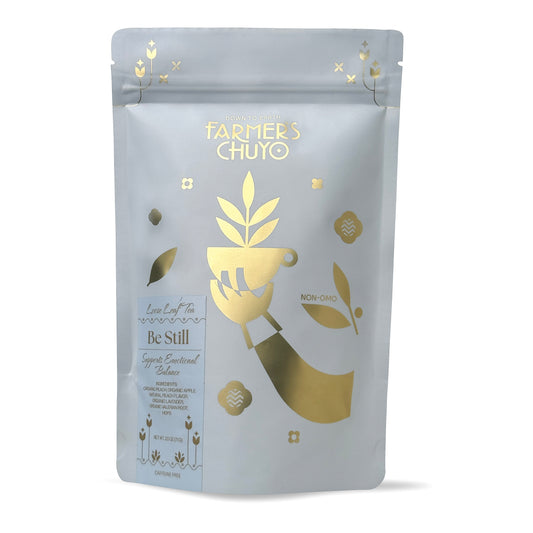
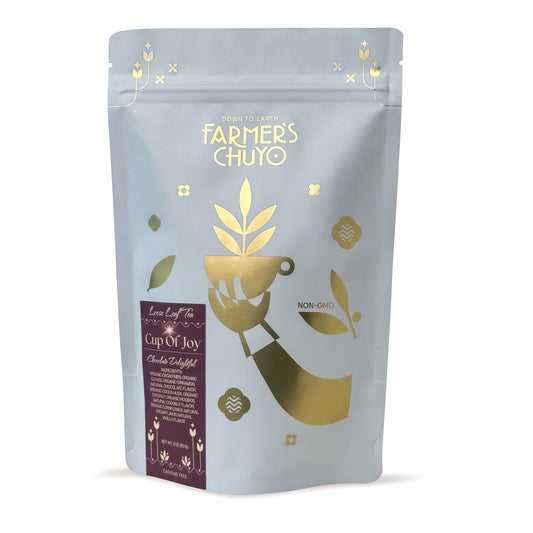
Children naturally gravitate toward sweetness. Modern beverages often amplify that preference with added sugars and artificial flavors. Herbal and fruit infusions offer something different.
When prepared lightly, they can:
• Introduce children to natural flavor complexity
• Encourage appreciation for subtle sweetness from fruit
• Provide a caffeine-free alternative to sodas and sweetened drinks
• Support calm, screen-free rituals before bedtime
Loose leaf tea also gives parents control. You decide the amount, the strength, and the temperature. A shorter steep creates a lighter cup, while a longer steep deepens aroma and flavor.
That flexibility matters when serving small bodies and developing taste buds.
We do not position tea as a replacement for water, nor as a health solution. It is simply another option, one rooted in tradition and moderation.
What Parents Often Want to Know: Is Herbal Tea Safe for Children?
Many mild herbs, such as chamomile, and gentle fruit infusions have traditionally been served to children across cultures in small amounts. However, every child is different.
We encourage parents to:
• Introduce one blend at a time
• Serve lightly steeped infusions
• Consult your pediatric healthcare provider if your child has allergies, medical conditions, or is under one year of age
How Often Should Children Drink Tea?
Tea should complement water intake, not replace it.
For many families, one small, lightly brewed cup a day becomes part of a routine after meals or before bedtime. Like most things, moderation matters. Even something natural can lose its purpose when consumed in excess.
At its best, tea becomes a small ritual, a moment of pause, balance, and shared calm.