How to Choose Quality and Why It Matters
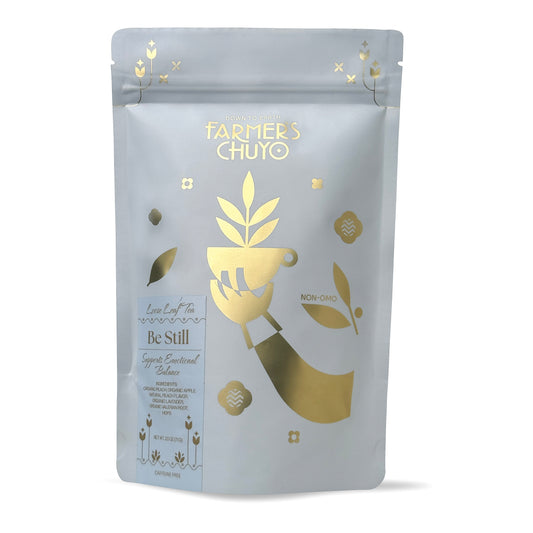
Loose leaf tea has been enjoyed for centuries, not just as a beverage but as a cultural ritual spanning Asia, Europe, Africa, and Latin America.
Unlike bagged tea, which often contains broken leaf particles and dust, loose leaf tea consists of whole or large fragments of leaves, flowers, herbs, and fruits that can fully expand during brewing. This structural integrity affects flavor, aroma, and even the preservation of delicate plant compounds.
Understanding what makes loose leaf tea different helps explain why quality matters so much in the cup.
Understanding the Leaf
The quality of loose leaf tea begins with the leaf itself.
Whole leaves protect delicate compounds such as catechins, theaflavins, polyphenols, and L-theanine. These compounds have been widely studied for their antioxidant properties and their potential role in supporting overall cellular health.
Research by Dr. Jeffrey Blumberg at Tufts University highlights how tea polyphenols can contribute to wellness. Similarly, Dr. Yukihiko Hara’s studies on green tea catechins show how careful processing and intact leaves help preserve these beneficial compounds.
Herbal teas, often referred to as tisanes, contain their own unique bioactive compounds.
Plants such as:
• Chamomile
• Hibiscus
• Peppermint
• Muña
• Guanabana (soursop)
have long histories of traditional use around the world. Modern phytochemical research continues to explore their flavonoids, essential oils, and antioxidant potential.
While herbal teas should not be considered medicinal products, their natural chemistry contributes to the flavor, aroma, and sensory complexity that make them enjoyable.
Why Origin Matters
Just like wine or coffee, tea is deeply influenced by terroir, the combination of climate, soil, altitude, and environmental conditions where plants grow.
According to the FAO Intergovernmental Group on Tea, teas grown at higher elevations often develop more slowly. This slower growth can produce more complex aromatic compounds and more nuanced flavor profiles.
High quality producers typically share information such as:
• Country and region of origin
• Harvest season
• Processing method
This transparency allows tea drinkers to understand not only where the tea comes from, but also why it tastes the way it does.
Processing and Aroma
Processing methods directly influence both flavor and chemical composition.
Traditional tea categories are defined by oxidation levels:
• Green tea — minimally oxidized
• Black tea — fully oxidized
• Oolong tea — partially oxidized
• White tea — lightly processed
For herbal teas, careful drying is essential. Gentle drying techniques help preserve essential oils and volatile compounds responsible for aroma and flavor.
Industrial processing or harsh drying methods can flatten these characteristics.
Aroma itself is often one of the easiest ways to identify quality tea. Fresh loose leaf tea typically has scents that are:
• Complex
• Botanical
• Bright and aromatic
Flat, dusty, or dull smells often indicate poor storage, aging, or lower quality leaves.
Brewing and the Sensory Experience
Loose leaf tea allows drinkers to control key brewing variables:
• Water temperature
• Steeping time
• Leaf quantity
These elements directly affect how flavor and aroma compounds are extracted from the plant material.
High quality loose leaf teas can often be re-steeped multiple times, revealing different flavor layers with each infusion.
Sensory studies and blind taste tests, including research conducted by the Specialty Tea Institute, consistently show that whole leaf teas score higher for:
• Aroma
• Flavor complexity
• Balance
when compared to bagged teas made from the same origin.
Sustainability and Safety
Tea quality today is about more than flavor. Sustainability and transparency are becoming central to responsible sourcing.
Loose leaf teas typically:
• Use less packaging
• Avoid synthetic tea bags that may release microplastics under heat
• Encourage traceable sourcing
Responsible tea producers monitor agricultural practices, test for contaminants, and work with growers who prioritize environmental stewardship.
For modern consumers, these practices help ensure both product safety and environmental responsibility.
Final Thoughts
Choosing loose leaf tea is about more than flavor. It is a way to connect with centuries of cultural tradition, agricultural knowledge, and plant science.
By understanding the leaf, the origin, and the processing, tea drinkers can appreciate the complexity of this ancient beverage.
Research continues to support what tea lovers have known intuitively for generations: whole leaves, carefully handled and properly brewed, create a richer and more nuanced experience.
Not only in the cup, but in the quiet daily ritual of preparing and enjoying tea.