Understanding Flavor, Science, and Sensory Language
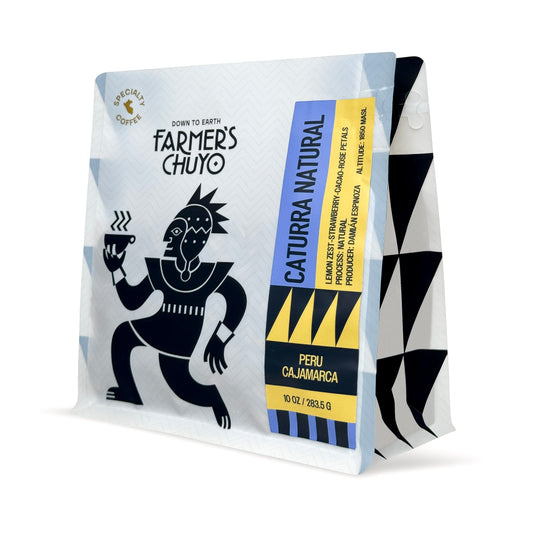
If you’ve ever picked up a bag of specialty coffee and read words like rose, strawberry, honey, or lemon zest, you may have wondered: Is that actually inside the coffee?
The answer is no. Tasting notes are not added flavors. They are sensory descriptors used to communicate the natural characteristics of the coffee bean, shaped by origin, variety, processing, roasting, and brewing.
Understanding tasting notes begins with understanding how coffee develops flavor.
Where Do Coffee Tasting Notes Come From?
Coffee is an agricultural product. Like wine or tea, its flavor is influenced by several factors, including:
• Altitude
• Soil composition
• Climate
• Coffee variety (such as Bourbon, Geisha, or Caturra)
• Processing method (washed, natural, honey process)
• Roast development
The Specialty Coffee Association explains that coffee contains hundreds of volatile aromatic compounds. During roasting, chemical reactions, especially the Maillard reaction and caramelization, transform sugars and amino acids into complex flavor molecules.
That’s why a high-altitude Ethiopian coffee might express floral or citrus notes, while a naturally processed Brazilian coffee may lean toward chocolate or nutty flavors.
These flavors are inherent to the bean.
In Simple Terms: What It “Reminds You Of”
The easiest way to understand tasting notes is this:
They describe what the coffee reminds you of.
When someone says a coffee tastes like strawberry, it doesn’t mean strawberries were added. It means certain natural compounds in the coffee create an aroma and flavor similar to the experience of eating a strawberry.
It’s comparison language.
Just like wine might remind you of cherry, or tea might remind you of jasmine, coffee uses familiar flavors to help you understand what you’re about to taste.
Two people might describe the same coffee slightly differently. One might say raspberry, another red berries, but both are pointing to the same flavor family.
Tasting notes are a guide, not a rule.
The Language of Specialty Coffee
To make flavor descriptions more consistent, the Specialty Coffee Association developed the Coffee Taster’s Flavor Wheel. It’s a standardized sensory tool used worldwide to categorize flavors more objectively.
Some common flavor categories include:
Floral
-
Jasmine
-
Rose
Fruity
-
Berry
-
Citrus
-
Stone fruit
Sweet
-
Honey
-
Caramel
-
Brown sugar
Nutty / Cocoa
-
Almond
-
Hazelnut
-
Chocolate
This structure helps professionals communicate flavor clearly rather than relying on random or exaggerated descriptors.
The Role of Processing in Flavor
Coffee processing dramatically affects tasting notes.
Washed coffees often highlight clarity and brightness.
Natural (dry) processed coffees tend to show fruit-forward, sometimes wine-like characteristics.
Honey-processed coffees can balance sweetness with structure.
Scientific research on coffee fermentation shows that microbial activity during processing changes sugar breakdown and acid formation. These chemical changes directly influence how flavor is perceived in the final cup.
That’s why two coffees from the same farm can taste completely different depending on processing decisions.
Acidity, Body, and Balance
Tasting notes are only part of the evaluation.
Specialty coffee professionals also assess:
• Acidity – brightness, not sourness
• Body – texture or weight in the mouth
• Sweetness
• Aftertaste
• Balance
According to the cupping protocols of the Specialty Coffee Association, high-quality coffee scores based on how harmoniously these attributes work together.
A coffee might taste like lemon and honey, but if it’s harsh or unbalanced, it won’t be considered exceptional.
Why Tasting Notes Matter
Tasting notes are more than marketing language.
They reflect agricultural decisions, processing methods, and roasting craftsmanship. They translate climate, soil, fermentation, and chemistry into something relatable.
When you read “rose, strawberry, honey,” you’re reading a sensory interpretation of everything that happened from seed to cup.
And sometimes, the most important question isn’t “Is that really strawberry?”
It’s simply:
What does this coffee remind you of?